
Chronic pelvic pain (CPP) is one of the most common yet misunderstood gynecological concerns affecting women worldwide. When pelvic or lower abdominal pain persists for six months or more, it can impact daily activities, fertility, emotional wellbeing and overall quality of life. At Advance Gynecology Center, Hyderabad, we specialize in diagnosing complex pelvic pain conditions using advanced tools such as 3D/4D Ultrasound and 3D Laparoscopic Surgery, ensuring accurate diagnosis and effective, minimally invasive treatment. This page answers the most common questions women ask about CPP—its causes, symptoms, diagnosis, and treatment.
Chronic pelvic pain is pain in the lower abdomen or pelvis that lasts for six months or longer and is severe enough to interfere with daily activities, work or sexual and emotional well-being. CPP can be constant or intermittent and may be related to the menstrual cycle or independent of it.
Gynecologic causes include:
- Endometriosis (most common gynecologic cause): endometrial-like tissue outside the uterus causing cyclical or constant pain.
- Adenomyosis: endometrial tissue within uterine muscle causing heavy bleeding and pain.
- Uterine fibroids (leiomyomas): large or submucosal fibroids can cause pressure, cramping and pain.
- Ovarian cysts and hemorrhagic cysts: can cause chronic or recurrent pain.
- Pelvic inflammatory disease (PID): chronic infection and scarring from untreated infections.
- Pelvic adhesions (scar tissue): often from prior surgery or infection, causing tethering and pain.
- Chronic ovarian torsion (intermittent) or ovarian remnant syndrome in women with past surgery.
- Pelvic congestion syndrome: dilated pelvic veins causing dull, aching pain, often worse after standing.
Yes — CPP can also arise from gastrointestinal (IBS, constipation), urinary (interstitial cystitis), musculoskeletal (pelvic floor dysfunction), neurological, or psychological causes. A thorough evaluation is required to identify all contributing factors.
Symptoms that commonly point to gynecologic causes include:
- Pain related to the menstrual cycle (worse around menses)
- Pain with intercourse (dyspareunia)
- Heavy or irregular menstrual bleeding
- Painful ovulation or mid-cycle pain
- Abnormal vaginal discharge or recurrent pelvic infections
- Fertility problems (in some cases like endometriosis or adhesions)
Seek evaluation if you have:
- Pelvic or lower abdominal pain lasting more than 6 months, or pain that is getting worse.
- Pain that interferes with daily activities, work, sleep, relationships or sexual activity.
- Severe pain with fever, vomiting, fainting, heavy bleeding, or suspected pregnancy — seek urgent care.
- Recurrent infections, painful intercourse, or difficulty conceiving. Early assessment helps preserve fertility and improves quality of life.
Evaluation typically includes:
- Detailed medical, menstrual and sexual history.
- Physical and pelvic examination.
- Laboratory tests to rule out infection or hormonal causes.
- Imaging — starting with pelvic ultrasound; advanced imaging such as 3D/4D ultrasound (USG) or MRI when needed.
- Diagnostic procedures — diagnostic laparoscopy (direct visualisation) is often the gold standard for conditions like endometriosis and adhesions. Multidisciplinary evaluation (GI, urology, pain specialists, pelvic physiotherapy) is frequently helpful.
3D USG constructs three-dimensional images of pelvic organs (uterus, ovaries), improving detection of uterine anomalies, submucosal fibroids, adenomyosis features and complex ovarian lesions. 4D USG adds real-time motion (3D + time), useful for dynamic assessment (for example, uterine contour during movement). Benefits: non-invasive, widely available, helps plan treatment, and complements clinical assessment.
3D laparoscopy is minimally invasive surgery performed with three-dimensional visualization, providing improved depth perception compared with conventional laparoscopy. It is recommended when:
- Diagnostic laparoscopy is needed to confirm conditions such as endometriosis or adhesions.
- Therapeutic procedures are required (excision of endometriotic implants, adhesiolysis, cystectomy for endometriomas, myomectomy for subserosal fibroids).
Advantages include: better visualisation and precision, smaller incisions, less blood loss, quicker recovery, and improved fine dissection which is important for fertility-sparing surgery.
Treatment is tailored to the cause and severity and commonly includes:
- Medical management: analgesics, NSAIDs, hormonal therapy (combined oral contraceptives, progestins, GnRH analogues or antagonists) to suppress endometriosis or adenomyosis.
- Minimally invasive surgery: 3D laparoscopy for excision of endometriosis, removal of cysts, adhesiolysis, myomectomy.
- Interventional procedures: nerve blocks or pelvic vein embolisation for pelvic congestion syndrome.
- Supportive therapies: pelvic physiotherapy (pelvic floor rehab), dietary measures, pain management clinics, psychological support or CBT when chronic pain has central sensitisation.
- Fertility-preserving strategies when pregnancy is desired; sometimes combined medical and surgical approaches are used.
Candidates for 3D laparoscopy typically include patients with:
- Suspicion or confirmation of endometriosis causing significant pain or infertility.
- Symptomatic adnexal masses (ovarian cysts) that require removal.
- Pain due to adhesions from prior surgery or infection.
- Submucosal or subserosal fibroids causing pain not controlled by medical measures.
Conservative care is appropriate when symptoms are mild, well controlled with medication, or when surgery risks outweigh benefits. Shared decision making with your gynecologist is essential.
Most patients go home the same day or after an overnight stay. Typical recovery: light activity in 1–2 days, return to routine within 1–2 weeks depending on the procedure extent. Pain at incision sites, shoulder tip pain (from gas), and fatigue are common initially. Your team will give specific post-op instructions and follow-up.
Laparoscopy is generally safe, but risks include bleeding, infection, injury to bowel/bladder/ureters or blood vessels, anaesthesia complications, recurrence of disease (e.g., endometriosis), and the possibility of conversion to open surgery in rare cases. Discuss individualized risks with your surgeon.
Outcomes vary by diagnosis and individual factors. For some conditions (e.g., correctly removed endometriotic implants or adhesions), significant pain relief and improved fertility are likely. However, Chronic Pelvic Pain is often multifactorial; some patients may need combined medical, surgical and supportive treatments. The goal is meaningful symptom reduction and improved function.
For appointment availability and to choose a suitable slot, please contact our clinic directly. We offer clinical evaluation, advanced imaging (3D/4D USG) and minimally invasive 3D laparoscopic services. (Use the “Book Appointment” link on our website or call the centre — details available on our contact page.)
At Advance Gynecology Center we combine: experienced gynecologic surgeons, fertility-preserving approaches, advanced imaging (3D/4D USG), and minimally invasive 3D laparoscopic surgery — all focused on diagnosing complex pelvic pain precisely and tailoring treatments to your needs and fertility plans.
Find us on Google
India’s Top Gynecology Hospital
Book Appointment
+91 8074214676
Send Email
tanvirhospital.op@gmail.com
Visit Hospital
Tanvir Hospital, 8-3-833, Plot No. 100, 1st Phase Road, Sri Nagar Colony, Kamalapuri Colony, Hyderabad, Telangana 500073

Trusted partner for women of all age groups
Advance Gynecology Center at Tanvir Hospital, Hyderabad, is a premier destination for women’s health, led by the renowned gynecologist Dr. Tanvir Singh. With a legacy of excellence and a future-driven approach, we are redefining gynecological care through precision, innovation, and compassion.
Excellence in Hysteroscopy, Endoscopy, Urogynecology & Women’s Wellness.
Precision. Innovation. Compassion.
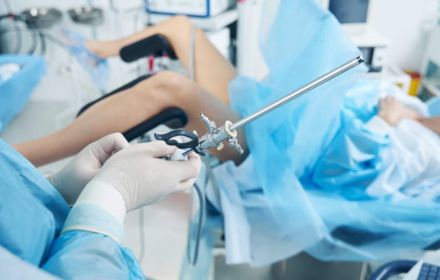
Office Hysteroscopy
Walk-in Walk-out procedure - Quick, same day evaluations and treatments in a comfortable outpatient setting.
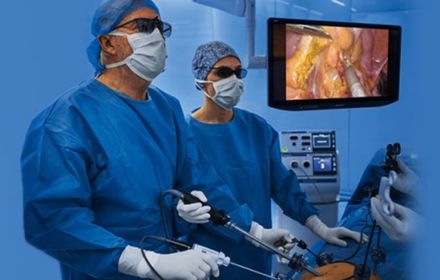
Laparoscopy
Keyhole procedures for a wide range of gynecologic conditions, ensuring less pain and faster return to daily life.
Urogynecology
Expert care for pelvic floor disorders, urinary incontinence, and prolapse with advanced surgical solutions.
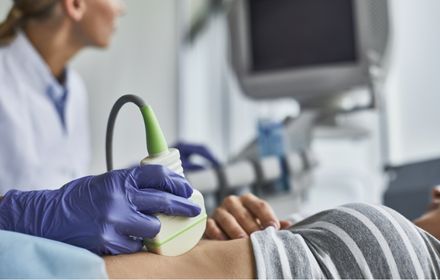
3D-4D Sonography
Gynecologic ultrasonography with 3D, 4D imaging and AI enabled mapping for unparalleled insights.
Our Process
Steps to Your Health & Well-Being
1. Consult
We start with a one-on-one consultation, where we take time to truly listen. We understand your needs, symptoms, and goals.
2. Diagnose & Plan
Our specialists perform thorough diagnostics and create a customized care plan tailored to your health issues.
3. Treat & Support
Our experienced medical team carries out your treatment with precision, compassion, and the latest in medical advancements.
Contact US
Pioneering Innovation in
Women's Health
At Advance Gynecology Care, under the leadership of Dr. Tanvir, we are committed to pushing the boundaries of gynecological treatment through ongoing research and innovation. Our dedicated team actively works on clinical case studies and advanced treatment protocols to offer cutting-edge solutions for complex women’s health issues. Stay updated with our latest breakthroughs, findings, and expert insights by exploring our regularly published research blogs.
Training the Next Generation of Experts in Gynecology
We are committed to empowering gynecologists with hands-on, skill-based training. Our specialized workshops and fellowship programs focus on hysteroscopy, urogynecology, and minimally invasive endoscopic procedures, combining clinical expertise with the latest advancements in women’s health.